Australia
Miner's Right Victoria: Cost, How to Get One and the Rules
A Victorian Miner's Right costs $29.40 for 10 years, rising to $41.40 on 1 January 2027. How to buy one, what it lets you do, and the rules attached.
Field-tested guides for smarter hunts and more keepers.
A Victorian Miner's Right costs $29.40 for 10 years, rising to $41.40 on 1 January 2027. How to buy one, what it lets you do, and the rules attached.
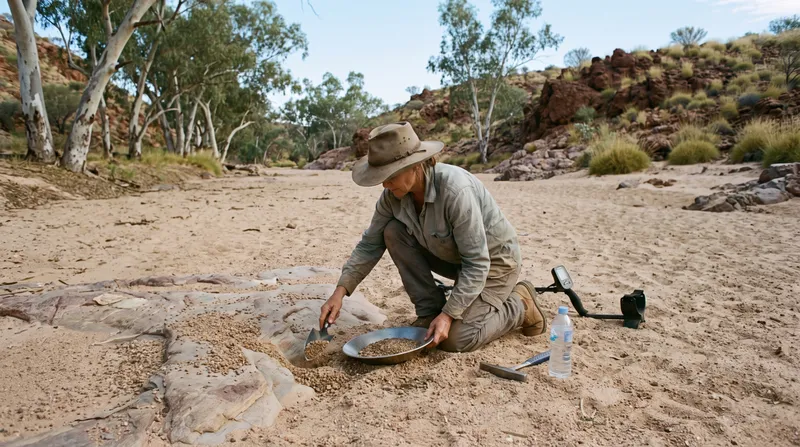
The NT has required a fossicking permit since June 2026. How the free permit, fossicking notices, pastoral land, Aboriginal land and gold limits work.
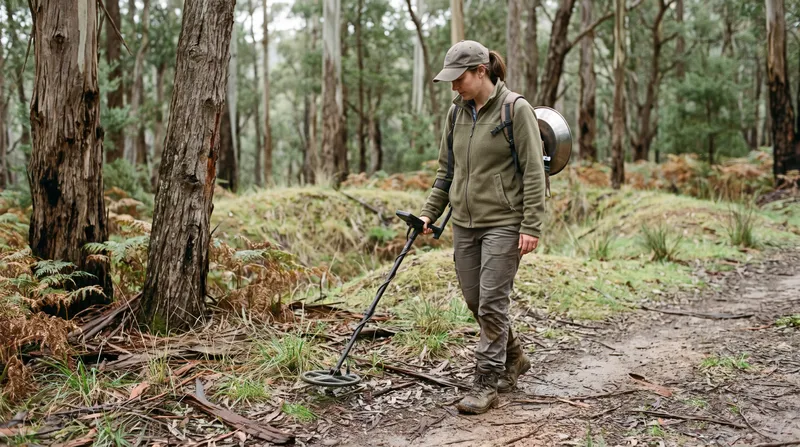
South Australia needs no fossicking permit, but every block needs someone's consent. How Crown land, parks, Jupiter Creek and Mount Crawford work.
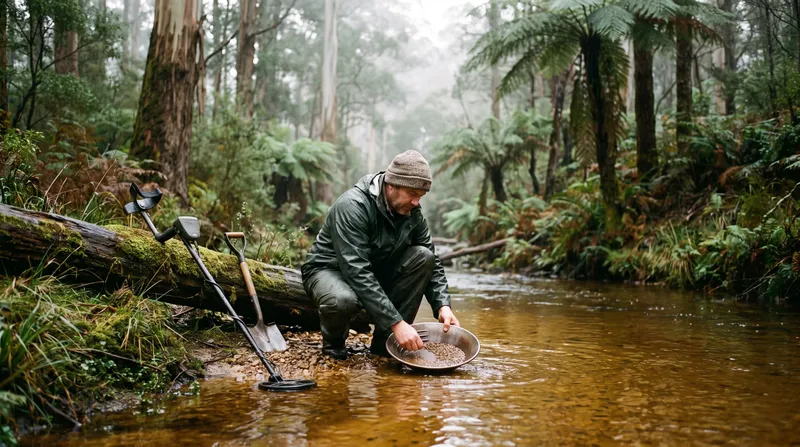
In Tasmania a detector needs a prospecting licence, is banned from fossicking areas and cannot be carried onto reserved land. How the rules fit together.
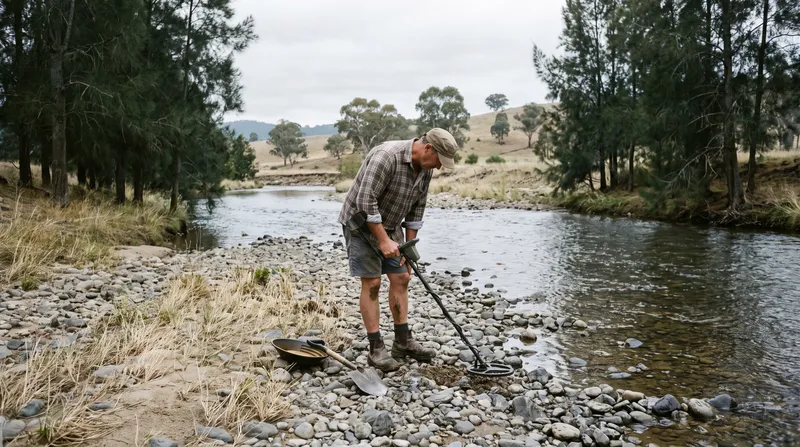
NSW needs no fossicking licence, but it has permits, take limits and a strict relics law. Where you can detect in New South Wales and where you cannot.
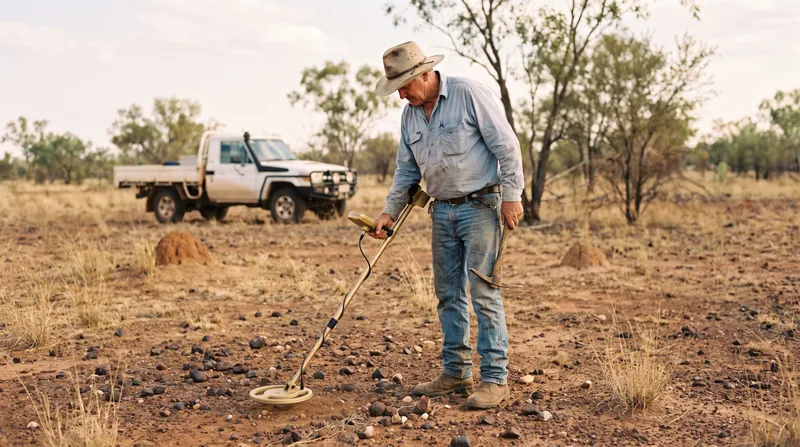
Queensland needs a fossicking licence everywhere and written permission off designated land. How the licence, fossicking areas and GPAs work in practice.
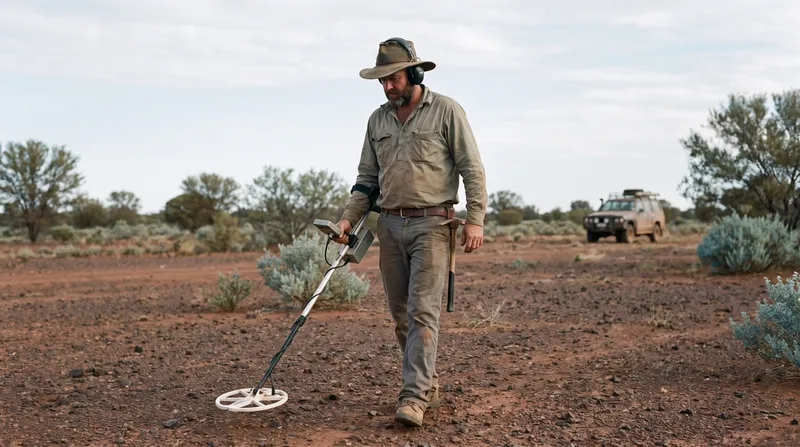
In WA a metal detector counts as prospecting. What a Miner's Right allows, how tenements, pastoral leases and 40E permits work, and where the gold is.
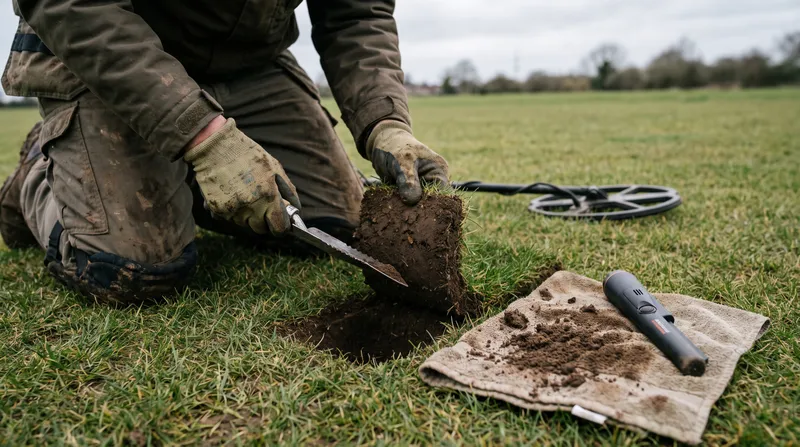
Recovery is the skill that decides whether you keep your permissions. Tools, plug technique by ground type, and how to get the target out undamaged.
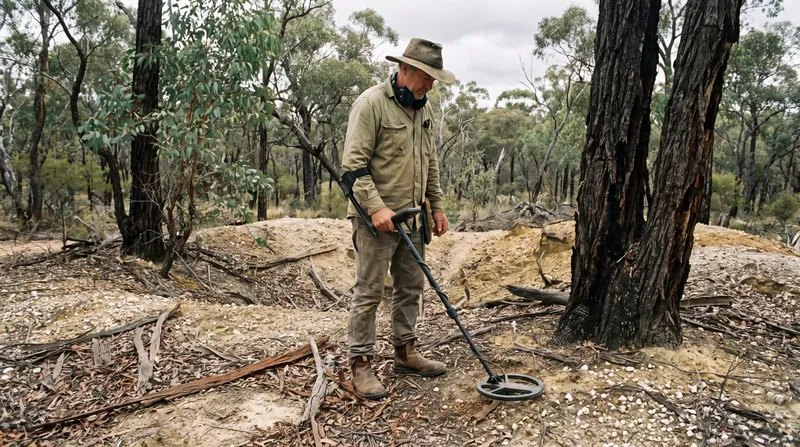
Victoria has Australia's richest detecting ground and a dense rulebook. What a Miner's Right covers, where it stops, and how to read the goldfields.
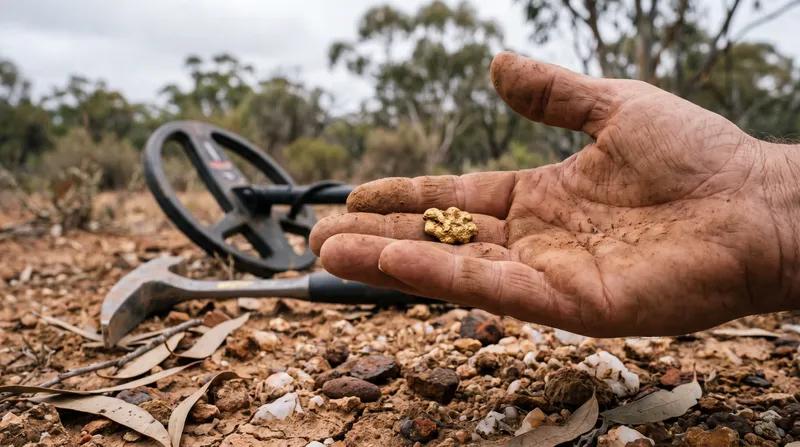
Where Australia's gold country is, why nugget hunting needs different gear and technique, how to read old diggings, and the safety that actually matters out there.
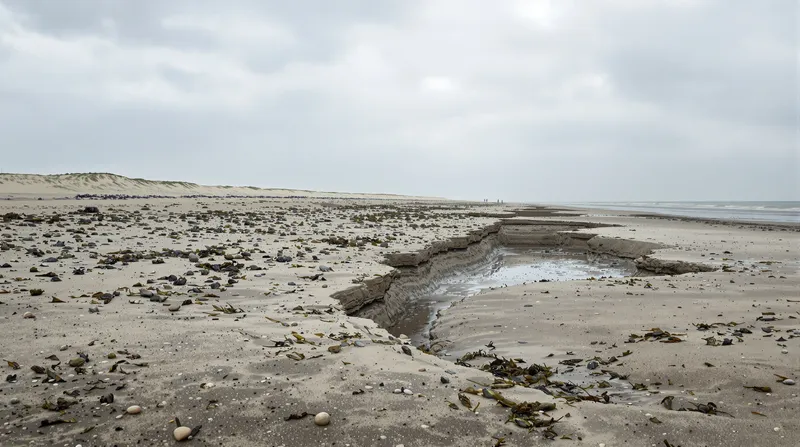
Storms strip sand and expose years of lost jewellery. Here is how to read cuts, scallops and black sand, when to go, and how to work a scoured beach safely.
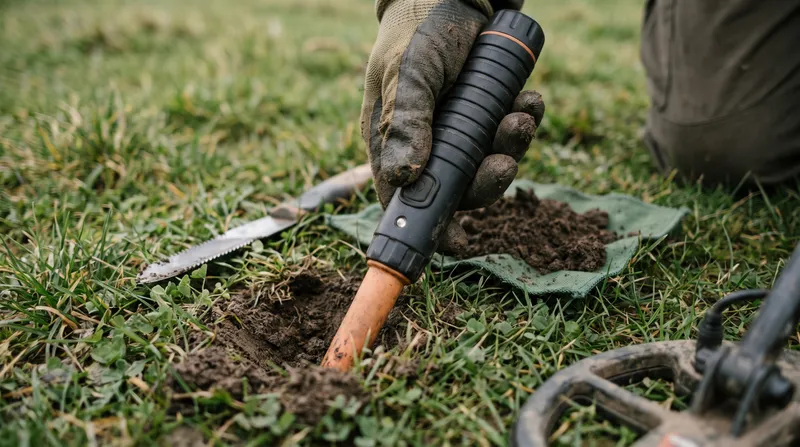
A pinpointer is the highest-value accessory in detecting. What it does, how to use one properly, what to look for when buying, and the habits that make it pay.